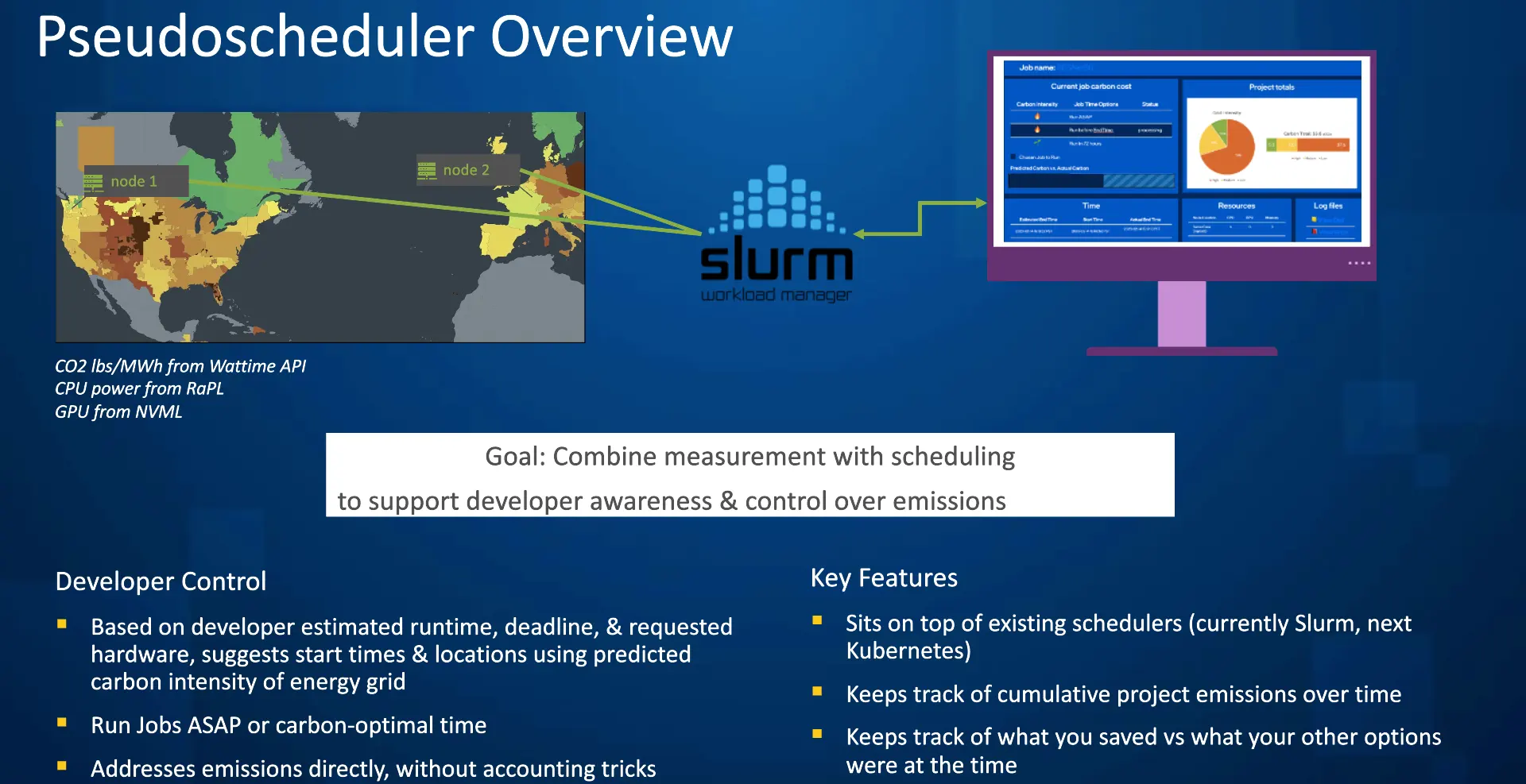
Designed and led the development of the first Carbon Aware AI Workload Manager and SLURM pseudo-scheduler in collaboration with Intel Labs. This sustainability-focused solution enables carbon estimation, training optimization based on renewable energy availability, and emissions tracking—advancing sustainable AI practices across the organization and setting new industry standards.
Executive Summary
The Tension Points
Environmental Impact Crisis
AI and machine learning workloads are energy-intensive, contributing significantly to greenhouse gas emissions. Training GPT-3 was found to emit as much as 552 tons of CO2, creating an urgent need for sustainable AI practices.
Developer Awareness Gap
Developers lacked tools to estimate or reduce carbon impact, with no support for optimizing training around energy efficiency or renewables. This created a disconnect between development practices and corporate sustainability goals.
Industry Leadership Opportunity
While sustainability was becoming a corporate priority, there were no practical tools for AI developers to align their work with environmental goals. The opportunity existed to position Intel as a leader in sustainable AI development.
Strategic Approach
Academic-to-Practical Translation
Partnered with Intel Labs to translate cutting-edge academic sustainability research into practical tools that developers could actually use. This bridge between research and implementation was crucial for adoption and impact.
Real-Time Energy Integration
Designed the system to integrate with real-time renewable energy data, enabling developers to schedule training during periods of high renewable energy availability. This approach maximized environmental impact while maintaining development velocity.
Transparency-First Design
Built comprehensive emissions tracking and visualization capabilities to provide developers with clear visibility into their environmental impact. This transparency was essential for driving behavioral change and accountability.
Process & Methodology
Partnership & Research
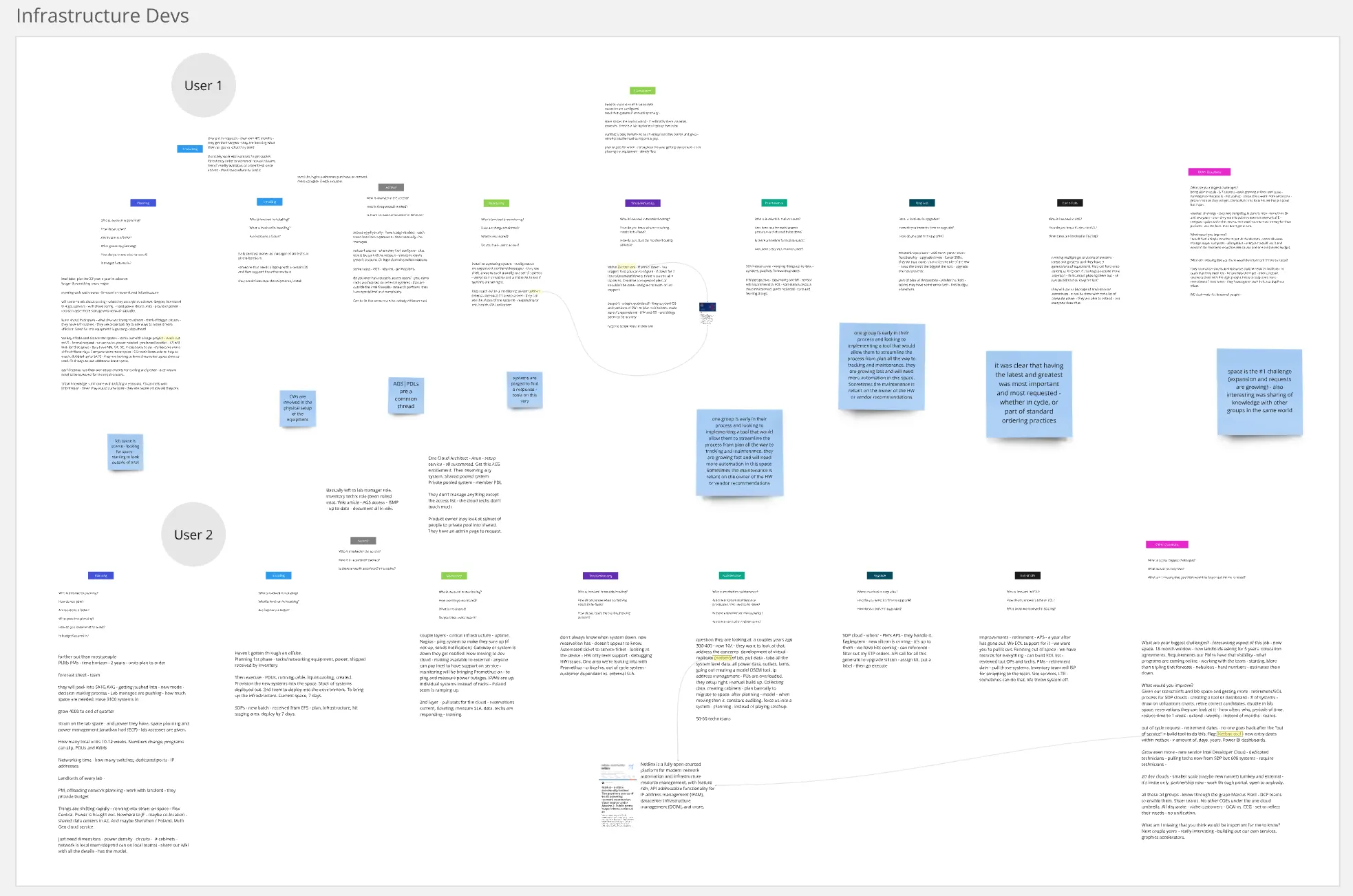
Collaborated with Intel Labs to translate academic sustainability research into practical applications. Engaged internal developers and researchers to validate needs and pain points, using Miro for team collaboration.
Sustainable Design
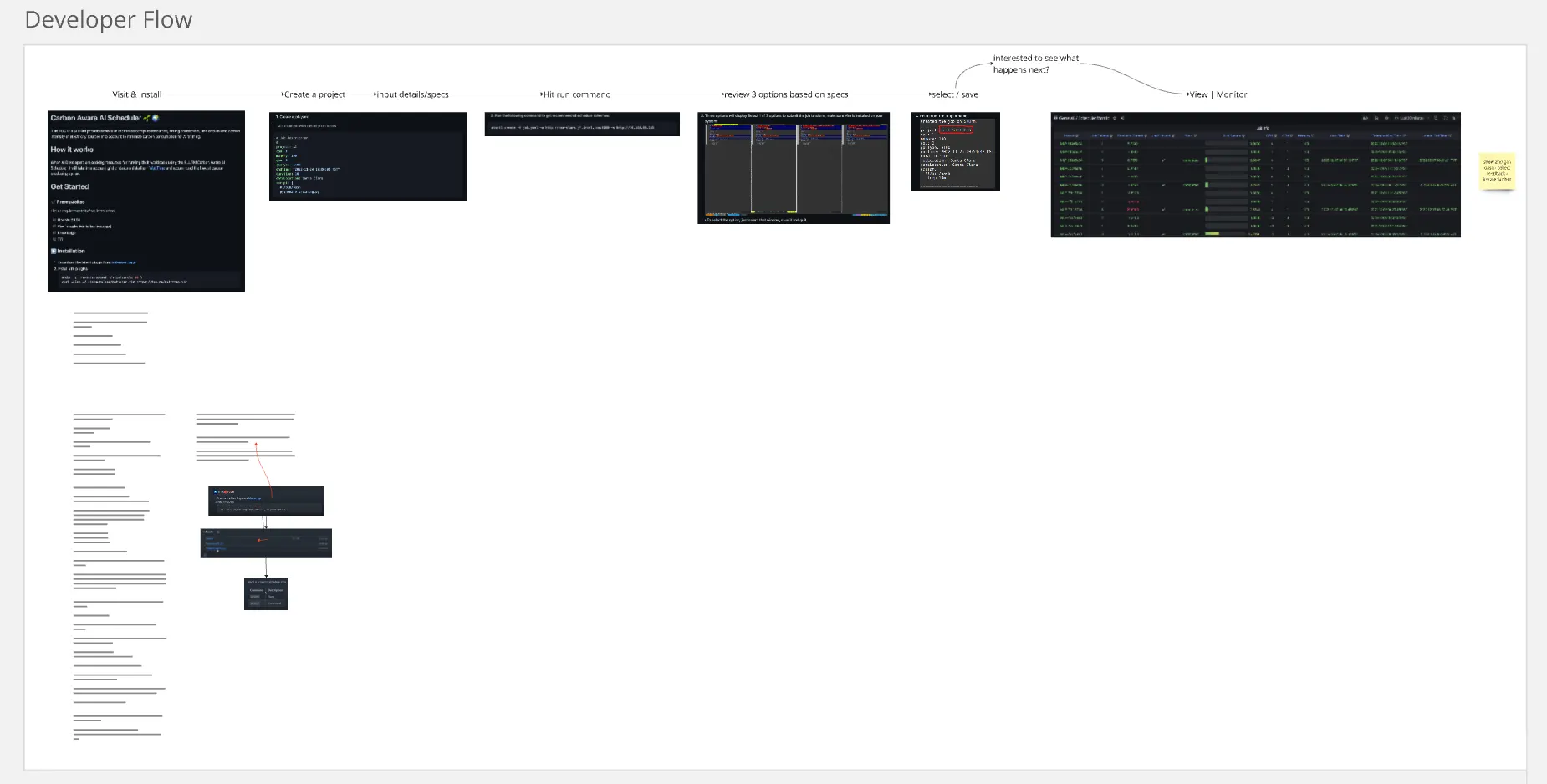
Led the design of the Carbon Aware AI Workload Manager with carbon estimation and reduction strategies. Developed the SLURM pseudo-scheduler for renewable energy optimization and built Grafana visualizations for emissions insights.
Deployment & Advocacy
Successfully deployed tools across internal teams and created demo videos using Final Cut Pro for internal forums and external conferences. Drove awareness and adoption while contributing to Intel's environmental goals.
Impact
AI Development Workflow Transformation
The Carbon Aware AI Workload Manager fundamentally changed how developers approach AI training by integrating environmental considerations into their decision-making process. This ecosystem integration ensured sustainability became a natural part of the development workflow.
Before Carbon Awareness
- Blind energy consumption
- No emissions tracking
- Cumbersome process calculating emissions for paper and conference submissions
- Environmental impact unknown
After Carbon Awareness
- Real-time emissions monitoring
- Renewable energy optimization
- Flexible carbon-aware scheduling
- Transparent and easy impact reporting
Visual Assets
Overview presentation of the Carbon Aware AI Workload Manager
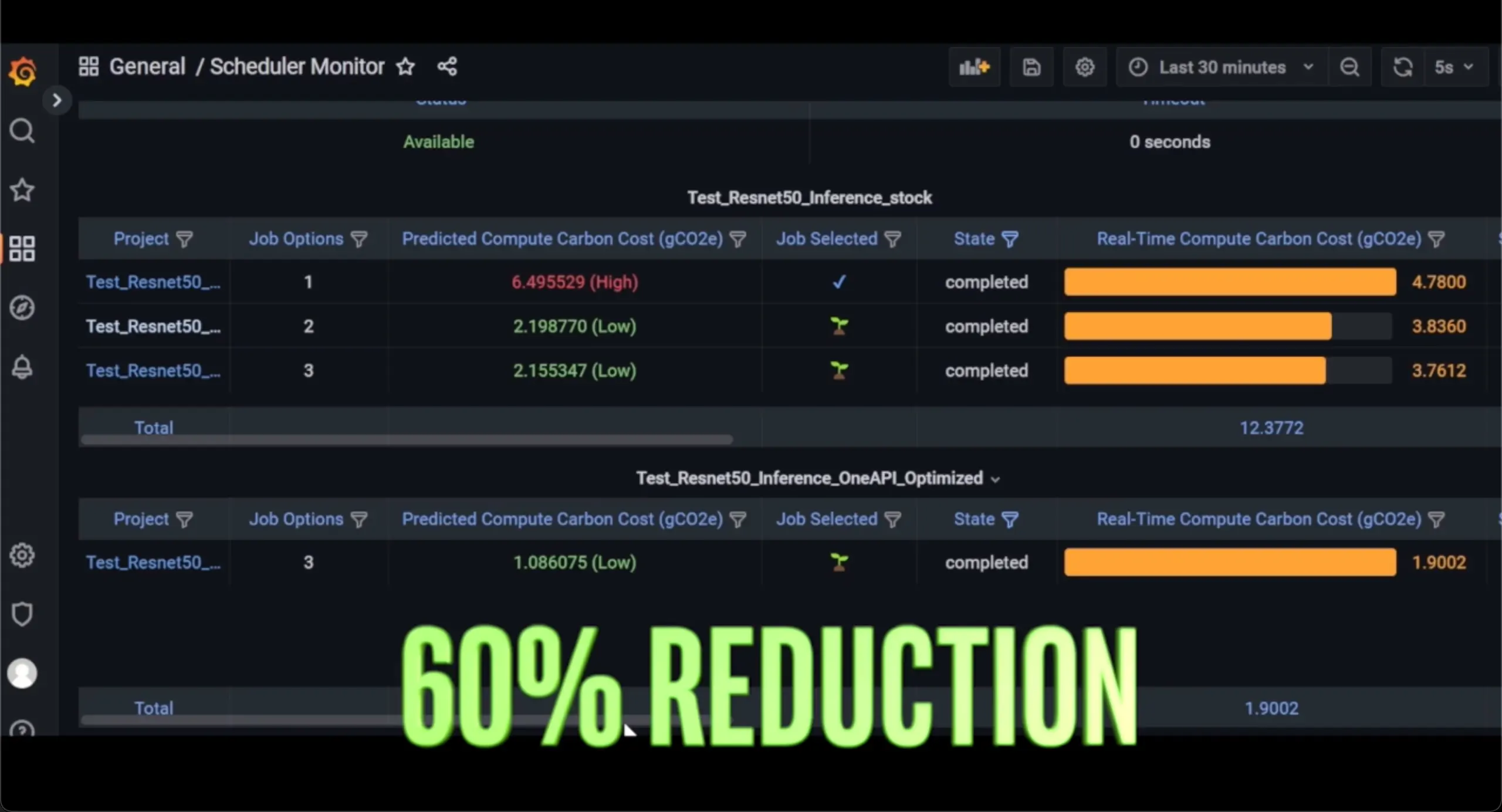
Carbon Aware Snip of Video Demo
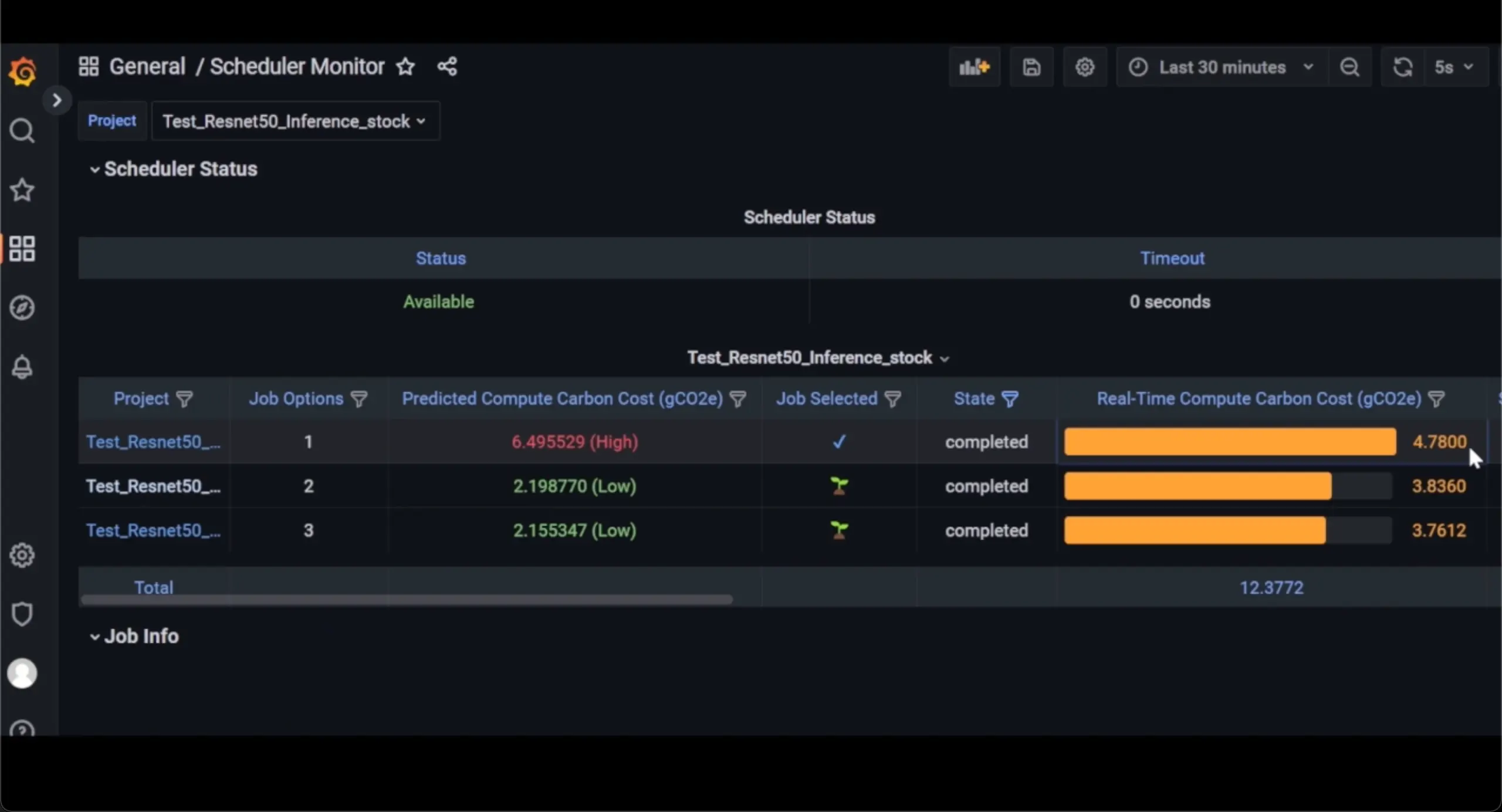
Detailed view of carbon estimation interface
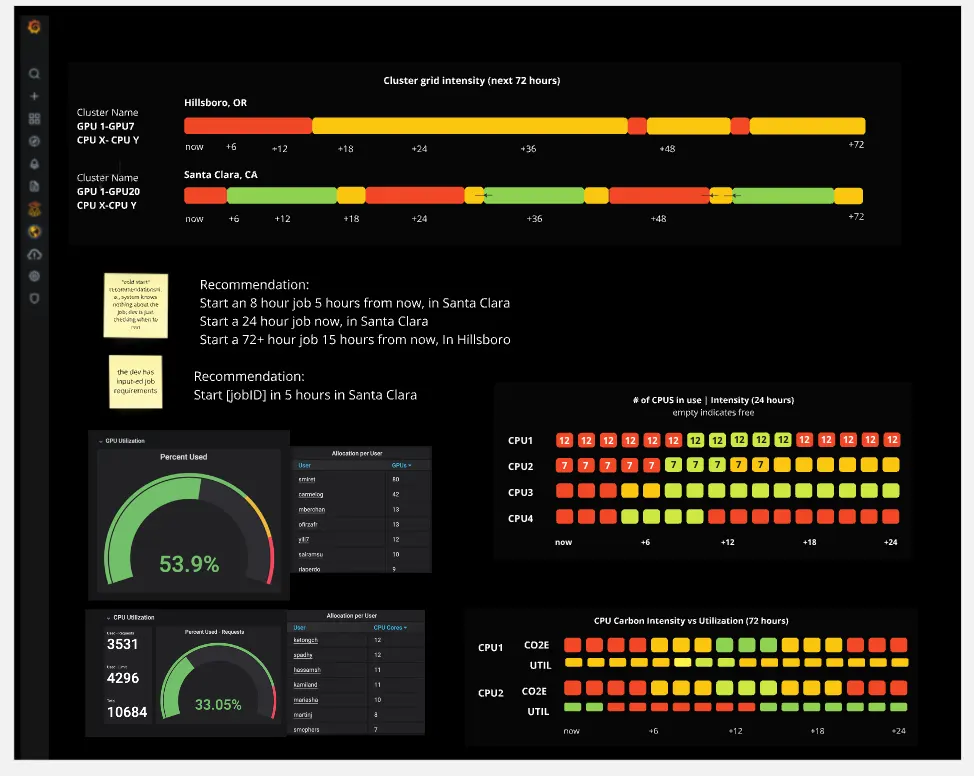
Renewable energy integration dashboard
Emissions tracking and reporting flow
Data synthesis of converations with AI Developer, Researchers, DevOps, and Infrastructure Engineers
Tools & Technologies
Miro
Collaboration & Mapping
Grafana
Data Visualization
Final Cut Pro
Demo Creation
Jira
Project Management