From Redundancy to Real Value: Validating the Need for a Unified Build Management Tool

How rapid prototyping and user feedback redirected development toward a more impactful, user-informed solution

Role

UX Research, UX/UI Design

Team

DevOps, Developers, Engineering Managers

Tools

GitHub Copilot, Chat GPT, Teams, Dovetail, GitHub

Executive Summary

Vibe Coding

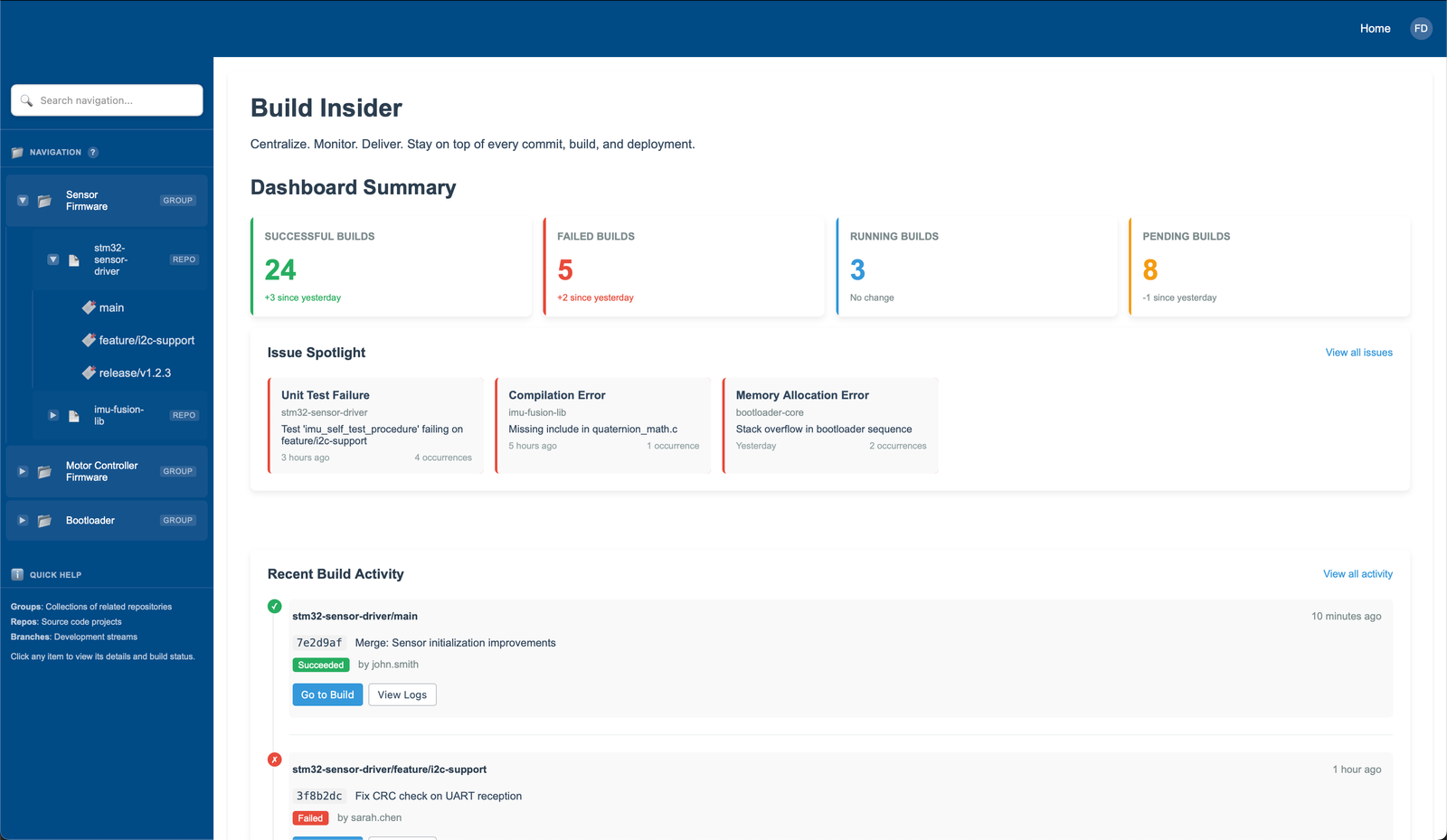
To assess the need for a new build management tool, I led a rapid validation process using prototyping and user testing. By translating stakeholder requirements into a working prototype, we were able to evaluate the tool's actual value to users. The effort revealed that the proposed solution did not meet user needs—but it surfaced new insights that shaped a more impactful direction, ultimately leading to a new set of requirements and a more strategically aligned tool concept.

5
Redundant Tools Identified
Rapid Testing
Led to saved development time and cost
The Tension Points

Tool Redundancy Crisis

Multiple overlapping build management tools created confusion, inefficiency, and wasted resources.

Developer Productivity Impact

Stakeholders proposed replacing two overlapping build management tools with a unified solution. However, there was uncertainty about whether the new tool would provide distinct value or merely duplicate functionality.

Strategic Approach

Research & Discovery

Engaged in conversations with stakeholders to understand the motivation and feature requirements behind the proposed tool. Recognized that user validation was missing from the initial direction.

Design & Iteration

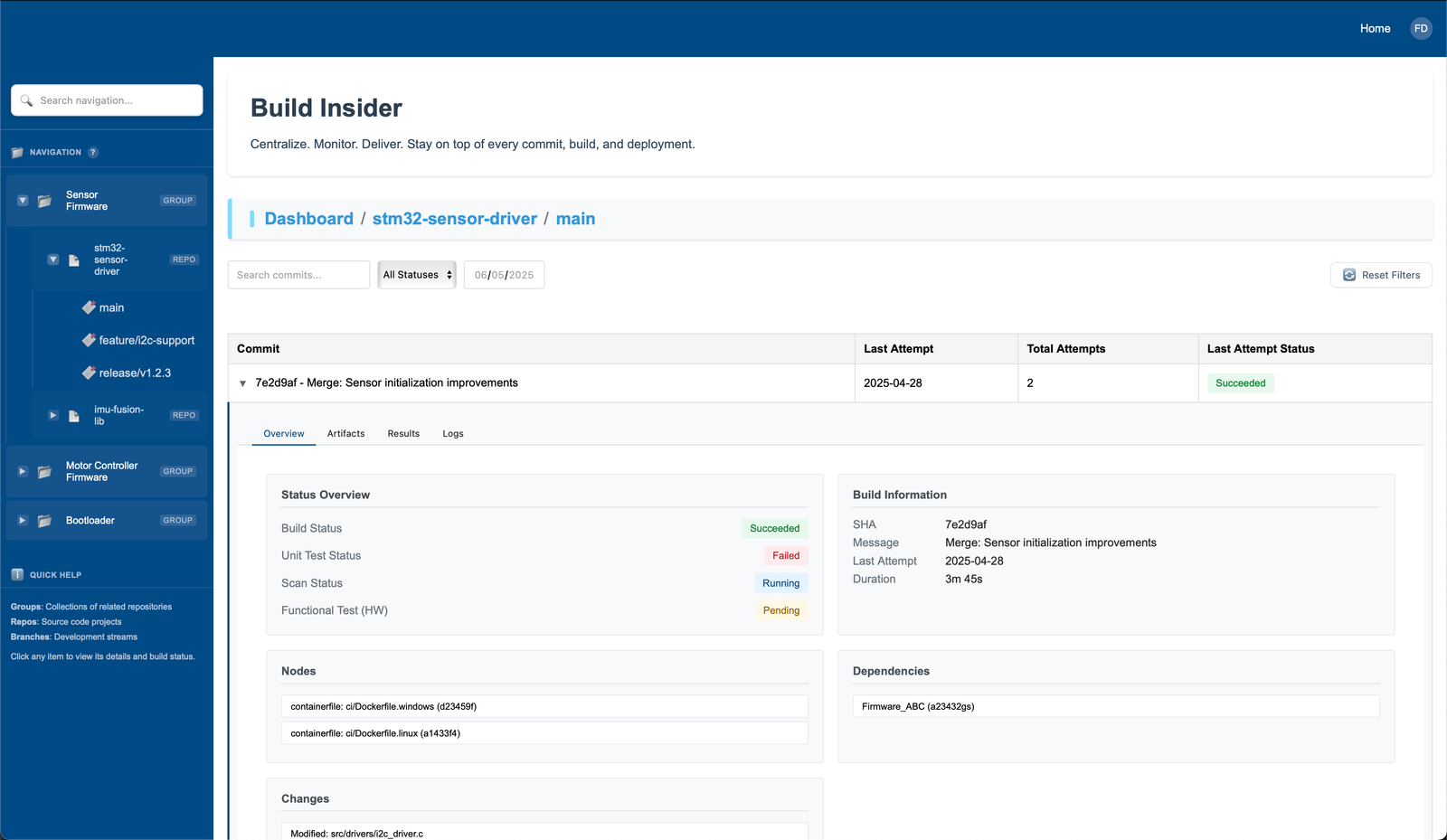
Advised the team to test assumptions by building a functional prototype based on the stakeholder's requirements. Using GitHub Copilot and VSCode, I developed the prototype and prepared it for user testing. Conducted usability tests to assess whether the tool provided distinct value.

Implementation & Results

Testing revealed that the prototype did not offer unique benefits beyond existing tools. However, the process surfaced new insights about the limitations of current solutions, leading to a new set of requirements and a more focused direction for future development—one that could deliver differentiated value.

Process & Methodology

Research & Discovery

Conducted comprehensive research to understand current build management practices, identify pain points, and validate the need for a unified solution across different teams and use cases.

Stakeholder Engagement

Engaged with developers, engineering managers, and build engineers to gather requirements, understand workflows, and ensure the solution would meet diverse organizational needs.

Solution Design

Designed a unified build management solution based on research insights, creating a consolidated approach that eliminates redundancy while maintaining flexibility for different team requirements.

Impact

Build Management Transformation

The unified build management initiative fundamentally changed how teams approach build processes by eliminating redundancy and creating a standardized, efficient workflow. This transformation improved developer productivity and organizational efficiency.

Before Unified Solution

  • Multiple redundant tools
  • Multiple tools for multiple purporses in the same workflow
  • Resources and time wasted on maintaining multiple tools
  • Current tools untested and unvalidated

After Unified Solution

  • Avoided redundant tool by validating usefulness
  • Uncovered key feature gaps via user testing
  • Redirected dev focus to higher-value solution
  • Speed up feedback with Copilot-built prototype

Visual Assets

Tools & Technologies

Dovetail

Research Analysis

GitHub Copilot

Prototyping

Chat GPT

Script Creation

GitHub Pages

Prototype hosting